

Who Invented the Zipper?
I remember the first time I truly appreciated a zipper. I was struggling with a broken button on my jacket in freezing weather when I realized how much we depend on this simple device. We use zippers daily without thinking about their remarkable 150-year journey from failure to global necessity.
The zipper evolved through decades of systematic improvements by multiple inventors, transforming from Elias Howe's 1851 "Automatic Continuous Clothing Closure" into Gideon Sundback's 1917 "separable fastener" that became the foundation for modern zipper technology used across industries today.
 Most people think zippers appeared suddenly in our clothes and bags. The truth tells a different story. This mechanical marvel represents one of the most persistent innovation journeys in industrial history, involving multiple inventors, countless failures, and breakthrough moments that changed how we connect things forever.
When Was the First Zipper Invented?
The earliest ancestor of the zipper was invented in 1851 by Elias Howe, who called it the "Automatic Continuous Clothing Closure." However, this was just the beginning of a long journey toward what we know as modern zippers today.
In 1851, inventor Elias Howe Jr. secured a patent for an "Automatic, Continuous Clothing Closure," but he never developed it into a working model, being too focused on his sewing machine invention.
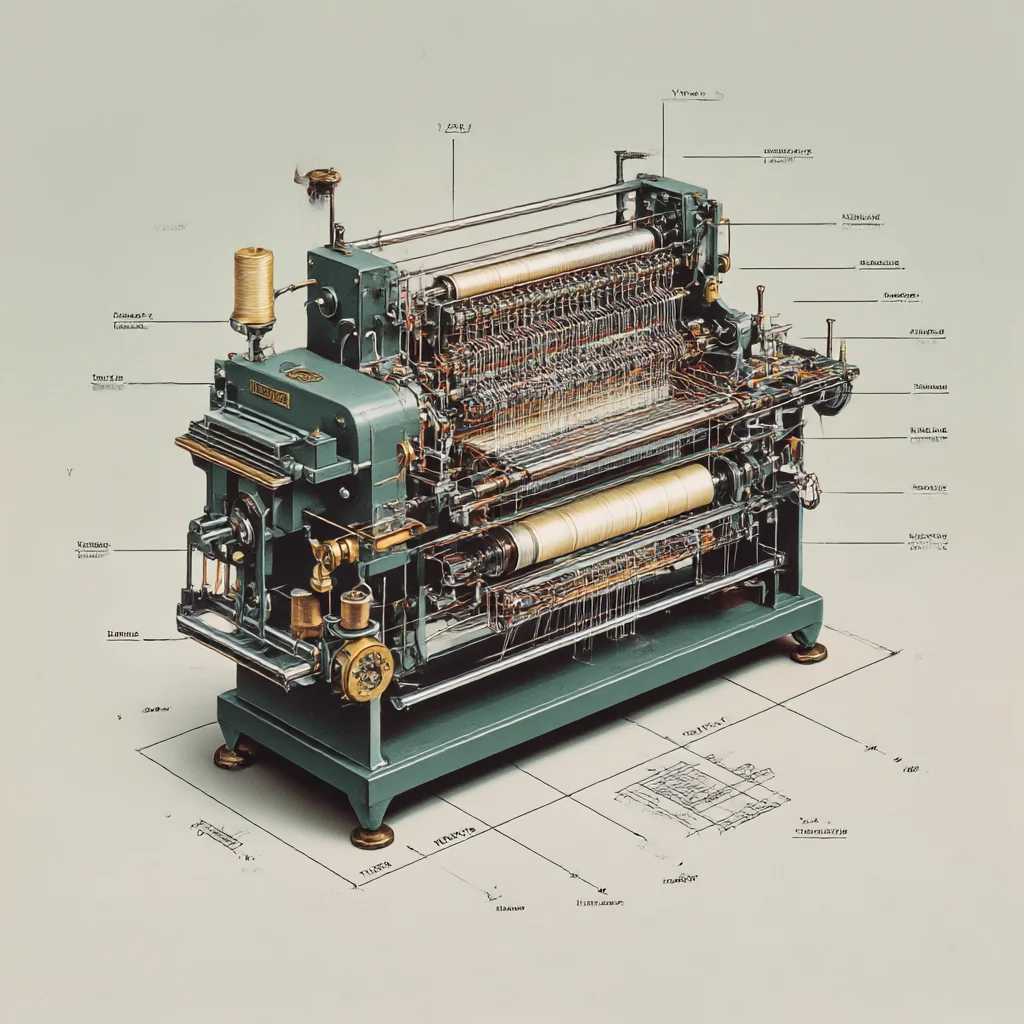 The earliest ancestor of the zipper was the 'Automatic, Continuous Clothing Closure' – an idea patented by Elias Howe in 1851 that he never developed into a working model. However, he was too busy inventing the sewing machine, so he stuck with that. This is why when zippers were invented, it took multiple attempts and inventors to perfect the design.
That didn't come until 1893 when Chicago inventor Whitcomb Judson developed the 'Clasp Locker' – a complicated hook-and-eye fastener that he debuted at the Chicago World's Fair. The real breakthrough came when understanding what year were zippers invented and for what purpose became clearer. Fast forward almost 50 years, and another inventor by the name of Whitcomb Judson helps his friend out who has a sore back. Judson's friend couldn't bend over to tie his shoes, so he designed what he called a "clasp locker" for him; basically a slide fastener which could be opened and closed with one hand.
Whitcomb L. Judson is most often credited with the invention of the zipper, which he referred to as the "Slide Fastener" or "Clasp Locker." The clasp locker was composed of hooks and eyes and its first use was as a shoe fastener. However, this device still had significant limitations that prevented widespread adoption.
Who Invented the Zipper?
Several inventors contributed to the creation of the zipper. Most inventions are not the creation of one person's idea and development, but rather the result of many individual's improvements on previous models.
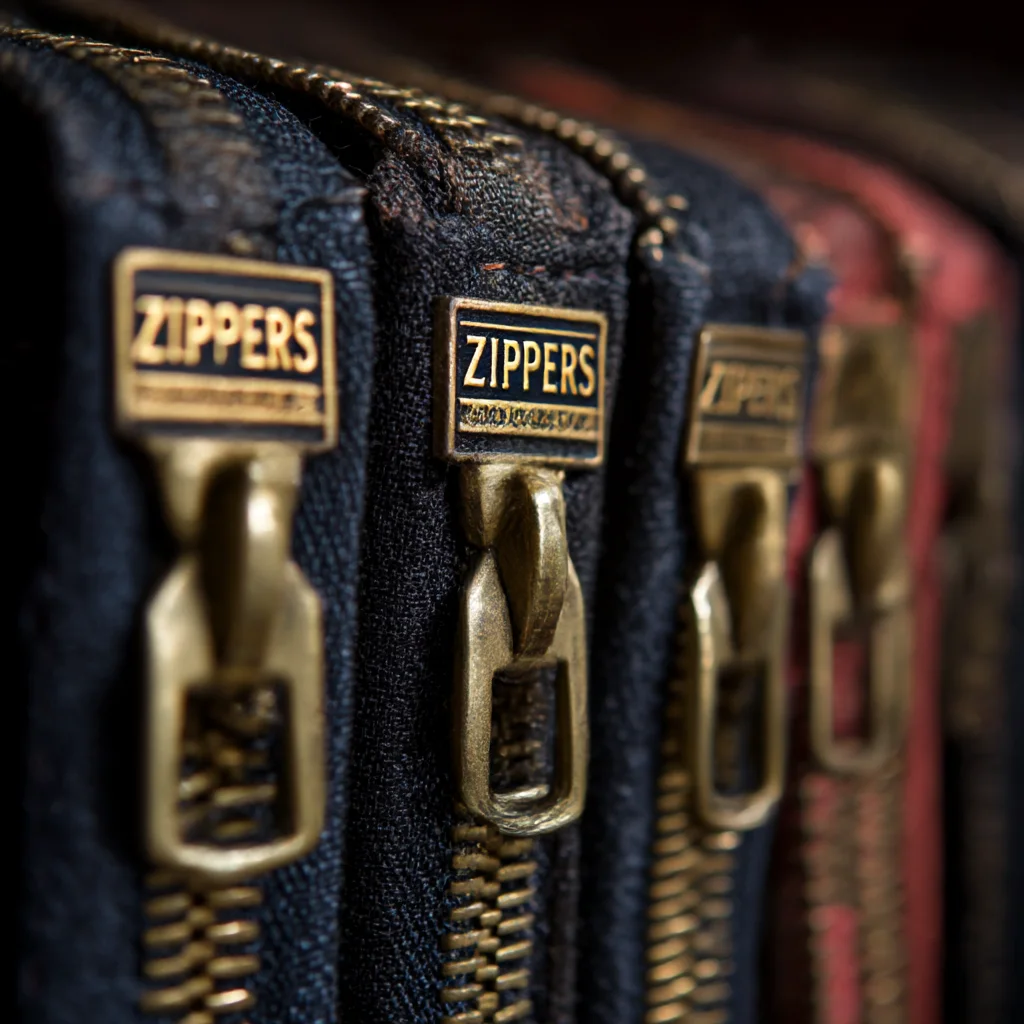 While Elias Howe Jr. is a key figure in the history of the noble zipper, he himself was not its originator. To credit the rightful inventor of the zipper, we must look to Whitcomb L. Judson. However, Gideon Sundback is credited with inventing the first zipper, but he was not the first to patent the device. Sundback, however, created the first zipper to work well, and he also invented the machine that could make these fasteners more quickly.
Swedish-born engineer Gideon Sundback improved on Whitcomb Judson's work, making the zipper practical and commercially successful. The zipper as we know it today, is a result the work of a Swedish-born engineer called Gideon Sundback, who worked as head engineer at Judson's company.
As head designer at the Universal Fastener Company, Gideon Sundback sought to improve upon Judson's faulty zipper. Enter Gideon Sundback, a Swedish-born electrical engineer who was hired by the Universal Fastener Company. His engineering skills and fortuitous marriage to the plant-manager's daughter, Elvira Aronson, resulted in his quick rise up the corporate ladder to head designer.
When Elvira died in 1911, the grieving Sundback threw himself into his work, improving the 'Judson C-curity Fastener' until he created the modern zipper as we know it today. After his wife's death in 1911, Sundback buried his grief by throwing himself into his work, eventually securing a patent for the "Hookless Fastener No. 1" on April 29, 1913 (later dubbed National Zipper Day) and then another for the "Separable Fastener" in 1917.
What Year Were Zippers Invented and for What Purpose?
Understanding what year were zippers invented requires looking at different milestones in their development, as the invention process spanned over 60 years.
Sundback secured patents for the "Hookless Fastener No. 1" on April 29, 1913 (later dubbed National Zipper Day) and then another for the "Separable Fastener" in 1917.
 The original purpose of zippers was practical problem-solving. When zippers were invented, they addressed specific daily frustrations. One of Judson's goals in inventing this device was to eliminate the tediousness that came with fastening boots which at that time, utilized a series of buttons. Judson's friend couldn't bend over to tie his shoes, so he designed what he called a "clasp locker" for him; basically a slide fastener which could be opened and closed with one hand.
Sundback used his design skills to improve on Judson's design, and by 1913 had increased the number of fastening elements per inch from four to ten, had two facing-rows of teeth that pulled into a single piece by the slider, and increased the opening for the teeth guided by the slider. These changes created the zipper we know today, and Sundback patented his new design in 1917, calling it the "separable fastener".
Sundback's fastener utilized rows of interlocking metal teeth, which were more ergonomically feasible than Judson's hooks and eyes. He found a way to manufacture "cup-shaped teeth" that interlocked; each pair nesting within the pair below as the fastener was pulled between the two sides.
The name "zipper" itself came later. Even though the separable fastener resembles the modern zipper in practically every way, it was still not referred to by the word "zipper" until 1923, when the B. F. Goodrich Company decided to use Sundback's product for a new type of rubber boots. The company began referring to the product as a zipper due to the "zip" sound it made when fastened, and the term caught on!
Challenges and Difficulties in Zipper Invention1
Early zipper inventors faced problems that seemed impossible to solve. Each attempt brought new complications that made previous solutions worthless.
The challenge of the earliest zippers was making ones that were reliable and would lie flat. Early zipper designs failed because they were difficult to use, expensive to manufacture, prone to breaking at inconvenient moments, and doubled the cost of garments, making them commercially unviable for everyday consumers.
 The story begins with Elias Howe in 1851. He invented the sewing machine and thought he could revolutionize clothing fasteners too. He first called the device the "Automatic Continuous Clothing Closure" but it never seemed to take off as its functionality wasn't usable for everyday life. In reality, it created more problems than it solved. The device rusted easily, broke when people needed it most, and cost so much that it doubled pants prices.
Howe's design disappeared into industrial history for 44 years. After Howe, a man named Whitcomb Judson stepped in over 40 years later. Judson created a similar device called the "Clasp Locker" that finally made it to the market. Working from Elias Howe's "Automatic, Continuous Clothing Closure" patent of 1851, Judson, in 1891, created a clasp locker for shoes and established the Universal Fastener Company. Although initially successful, Judson's locker lacked reliability, so he hired Sundback to make it reliable and practical.
Together, they started the Universal Fastener Company but unfortunately did not experience much commercial success. For nearly 10 years, Judson worked tirelessly on improving the zipper for optimal manufacturing and eventually gave up in 1904. Earlier versions had exhibited design flaws and functional problems, so many people were also skeptical of the zipper's quality and functionality.
| Inventor | Year | Invention Name | Main Problems |
|---|---|---|---|
| Elias Howe | 1851 | Automatic Continuous Clothing Closure | Expensive, difficult to use, prone to rust |
| Whitcomb Judson | 1891-1893 | Clasp Locker | Limited commercial success, complex design |
| Gideon Sundback | 1913-1917 | Hookless Fastener/Separable Fastener | Finally solved the major problems of predecessors |
Much of the contemporary public saw the zipper as somewhat morally dubious, since it made removing clothing very easy. This cultural resistance added another layer of difficulty to technical challenges. Who made the zipper successful was ultimately Sundback, but only after overcoming decades of technical and cultural obstacles.
At Holyn Textile, I understand these historical struggles intimately. When I work with customers today, I see how even modern zipper applications require careful consideration of material compatibility, usage patterns, and manufacturing constraints. The pioneers who invented zippers faced these same fundamental challenges without the benefit of modern materials science and manufacturing precision. Their persistence through decades of failure teaches us that true innovation requires not just brilliant ideas, but sustained commitment to solving practical problems that matter to real people.
Conclusion
Small zippers, big impact - thanks to the dedication of our predecessors, our lives are so convenient. From 1851 to 1917, three generations of inventors' relentless efforts finally brought us this world-changing little device.
Learn about the obstacles faced during the zipper's invention, shedding light on innovation and perseverance. ↩